China, EU Strike EV Export Framework Amid Trade Clash

Paul
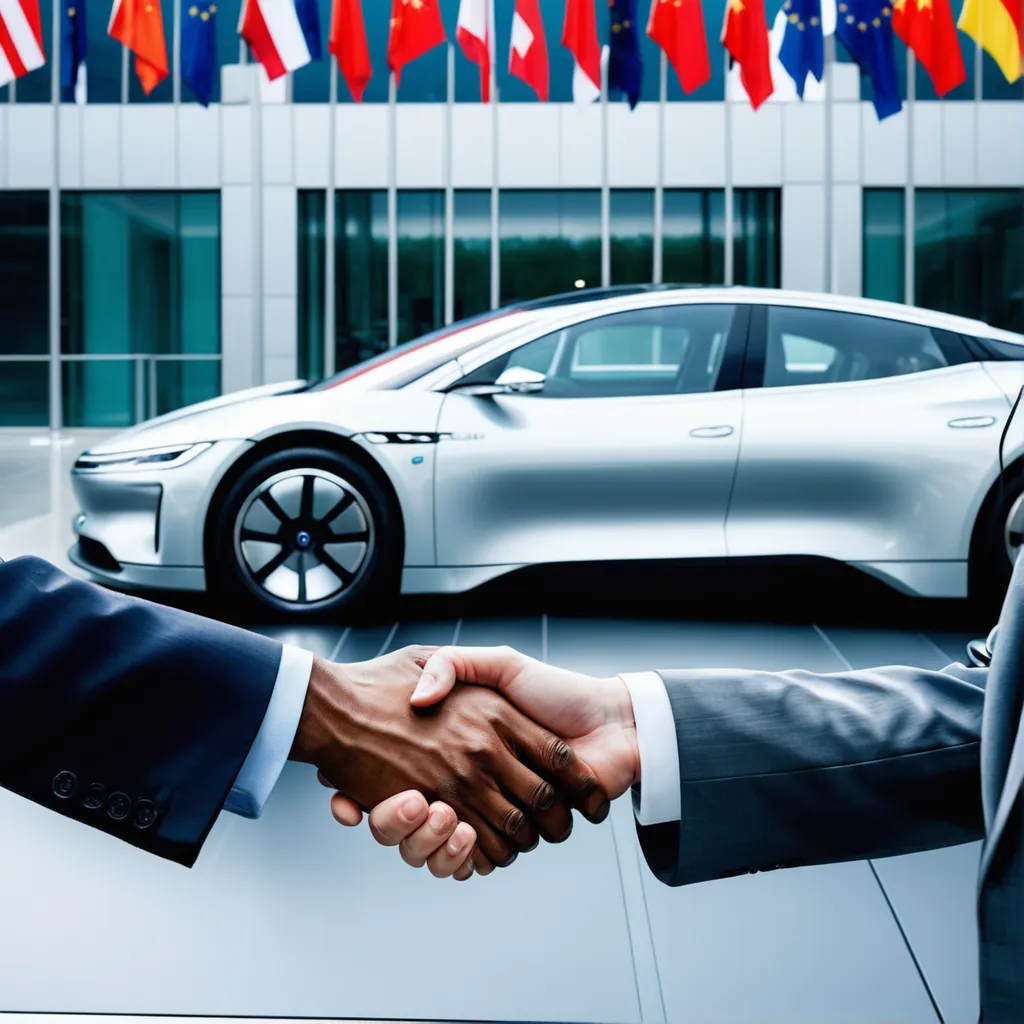
- China, EU agree on minimum price framework for EV exports.
- Price commitments to replace tariffs under new WTO-compliant deal.
After years of contentious trade debates, China and the EU have agreed to a framework for Chinese electric vehicle (EV) exports, allowing Chinese exporters to navigate EU markets through minimum price commitments instead of punitive tariffs. The two sides reached this milestone decision on January 12, 2026, establishing a price undertaking mechanism to address long-standing trade friction, though existing tariffs will remain in place temporarily.
According to reports, the European Commission unveiled a "Guidance Document on Submission of Price Undertaking Offers" on the same day. Chinese EV manufacturers can now propose minimum price commitments, and if the EU approves these offers, they could replace the countervailing duties the EU imposed in 2024. These duties ranged from 7.8% to 35.3% on top of the standard 10% import tariff and were implemented to target Chinese EV imports that allegedly benefited from extensive government subsidies.
The agreement stipulates that proposed minimum prices must neutralize the “injurious effects of the subsidization” and adhere to WTO standards. To ensure compliance, the EU will evaluate each price offer using uniform legal criteria. While this framework is a step toward replacing tariffs, current duties will remain active until Chinese companies submit acceptable offers and the EU approves them.
This resolution sheds light on the broader battle between rising economic protectionism and China's growing dominance in global EV sales, a position reinforced by cost-effective manufacturing and a subsidy-backed industry. In 2025, Chinese manufacturers, including BYD and Geely, captured 54% of global EV and plug-in hybrid sales. As they made inroads into key markets like Europe, concerns about unfair competition grew among Western automakers.
The China Chamber of Commerce to the EU welcomed the move, emphasizing that the framework provides much-needed predictability for Chinese EV companies operating in Europe. Both sides lauded the agreement as a testament to constructive dialogue, noting it reinforces rules-based international trade while fostering stronger China-EU economic ties.
This development marks a turning point for China-EU trade relations. The agreement blends market access with regulatory oversight and sets a potential blueprint to address similar challenges in the rapidly evolving global EV industry.
Get the latest news in your inbox!
